ROS2 Quick Start (Turtlesim)
Use the Turtlesim example to quickly experience common basic concepts and features of ROS2.
This tutorial is based on the ROS2 Humble Docker image but is not limited to Docker environments - any ROS2 environment can be used.
If you are operating in a Docker environment, it is recommended to first learn how to use Docker.
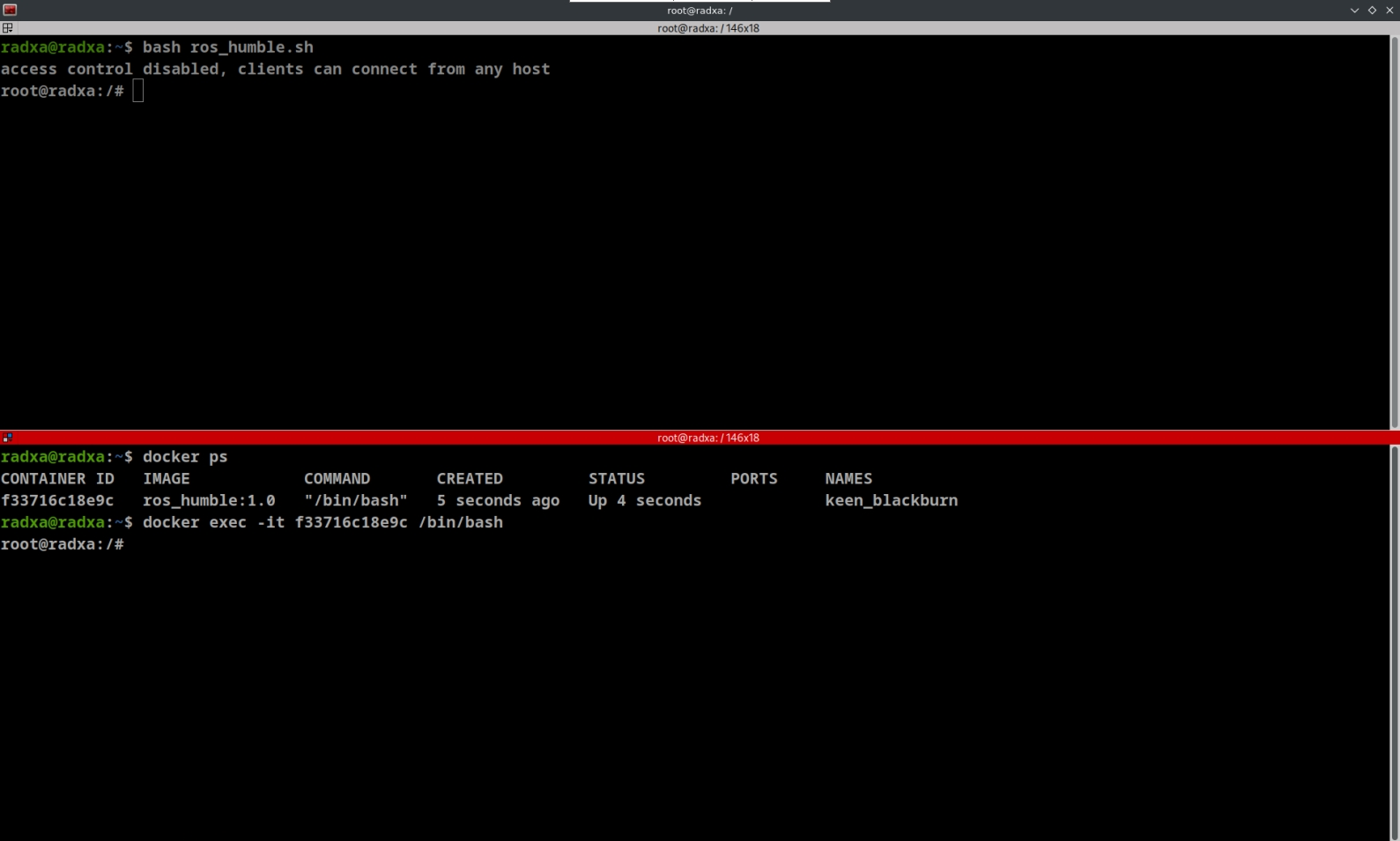
Start Docker Script
Use the following command to start the Docker script: ros_humble.sh is the script created in the ROS2 environment setup.
bash ros_humble.sh
It is recommended to use multiple terminals to enter the same Docker container for convenient subsequent operations.
Start Turtlesim
Use the following command to start Turtlesim:
ros2 run turtlesim turtlesim_node
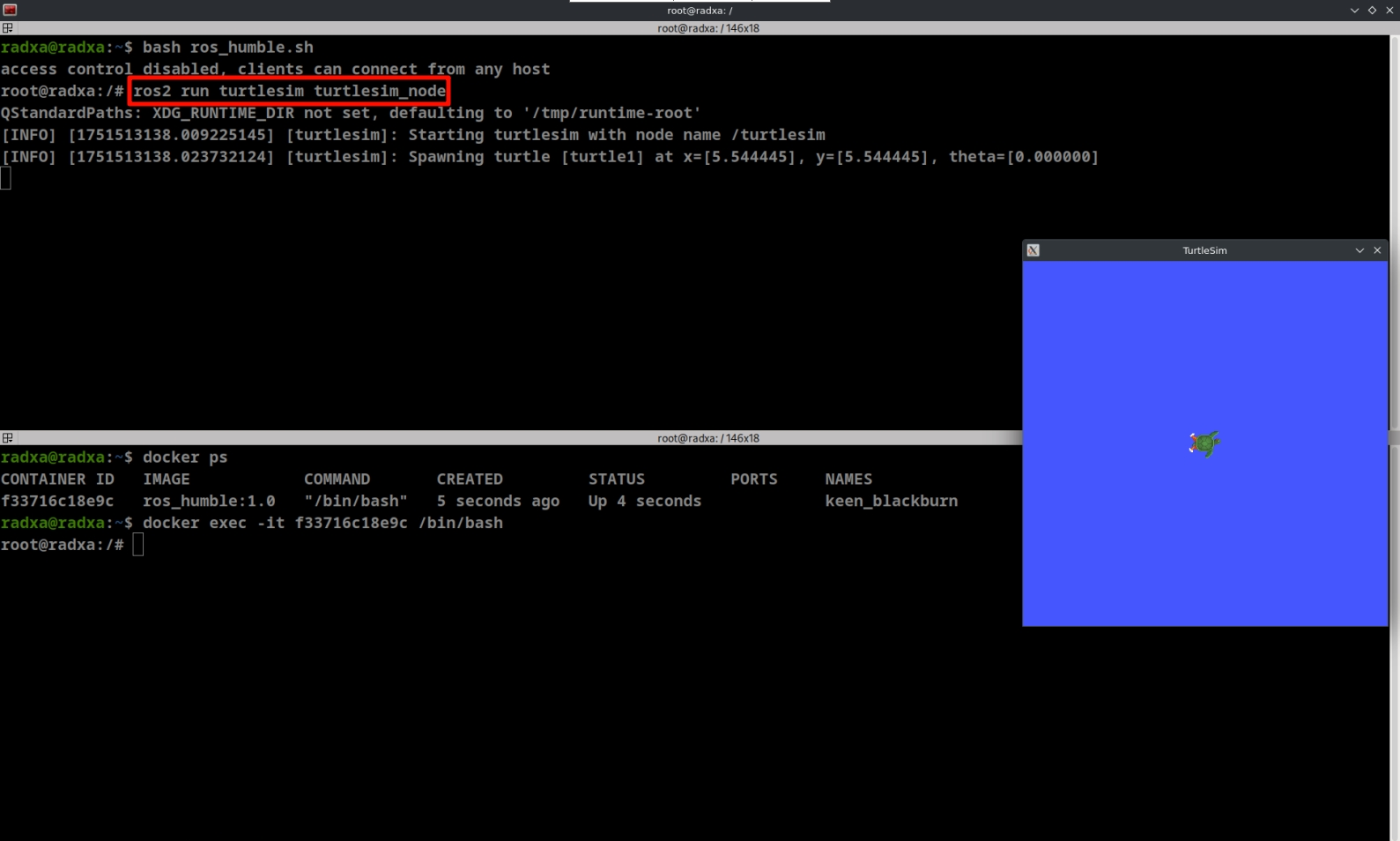
This command will create the /turtlesim node and display a window containing a small turtle.
Control Turtlesim
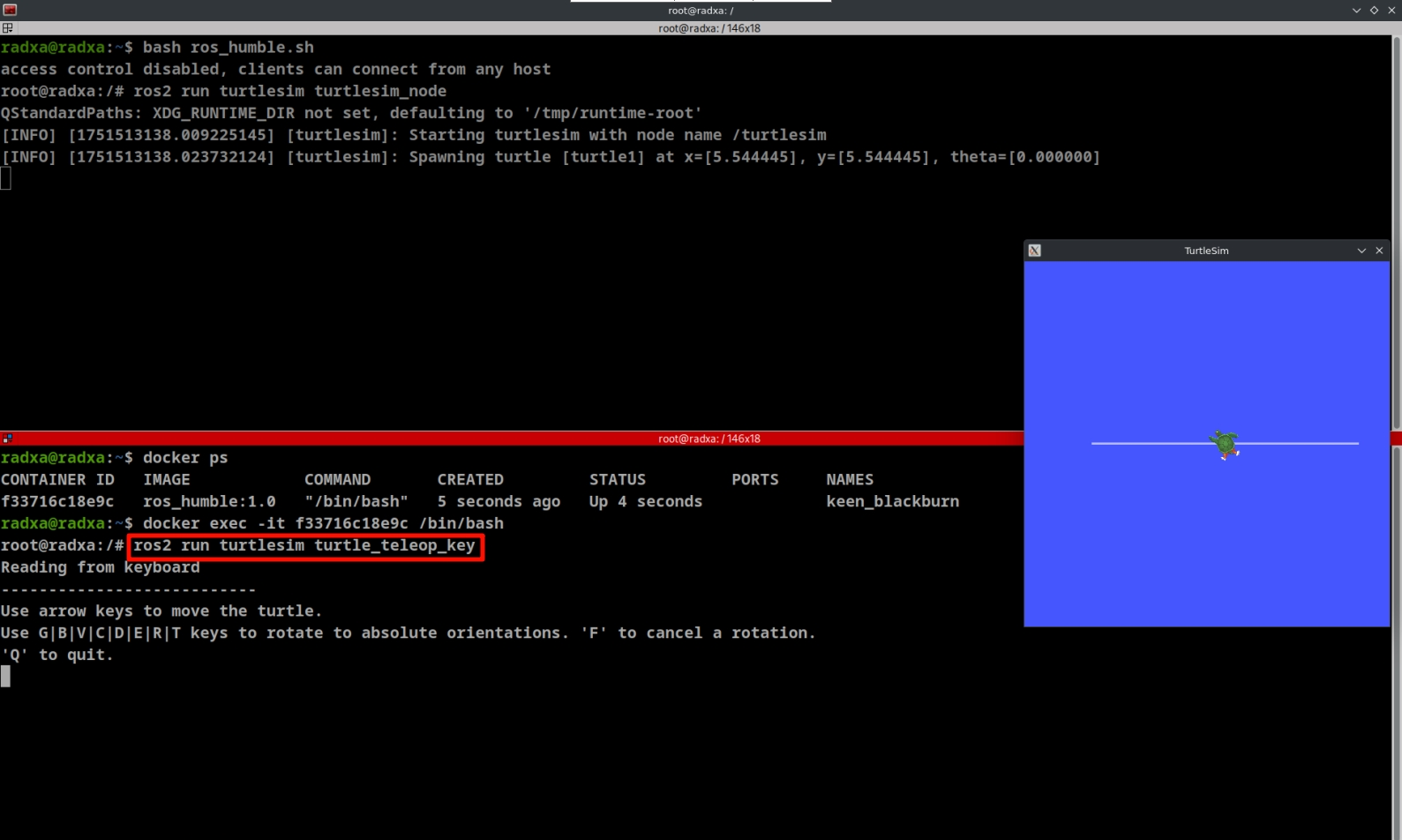
Use the following command to control the turtle's movement:
ros2 run turtlesim turtle_teleop_key
This command will create the /teleop_turtle node.
Click and keep the mouse focus on this keyboard control terminal window, then we can control the turtle's movement using the arrow keys on the keyboard.
ROS2 Basic Concepts
Through the Turtlesim example, we can further understand and use the basic concepts and commands of ROS2.
To stop a running ROS2 command, use the Ctrl + C key combination.
ROS2 Nodes
Nodes are the basic communication units in ROS2, interacting with other nodes through Publishers and Subscribers.
Key Components:
- Publisher: Interface for publishing messages to topics
- Subscriber: Interface for receiving messages from topics
View Nodes
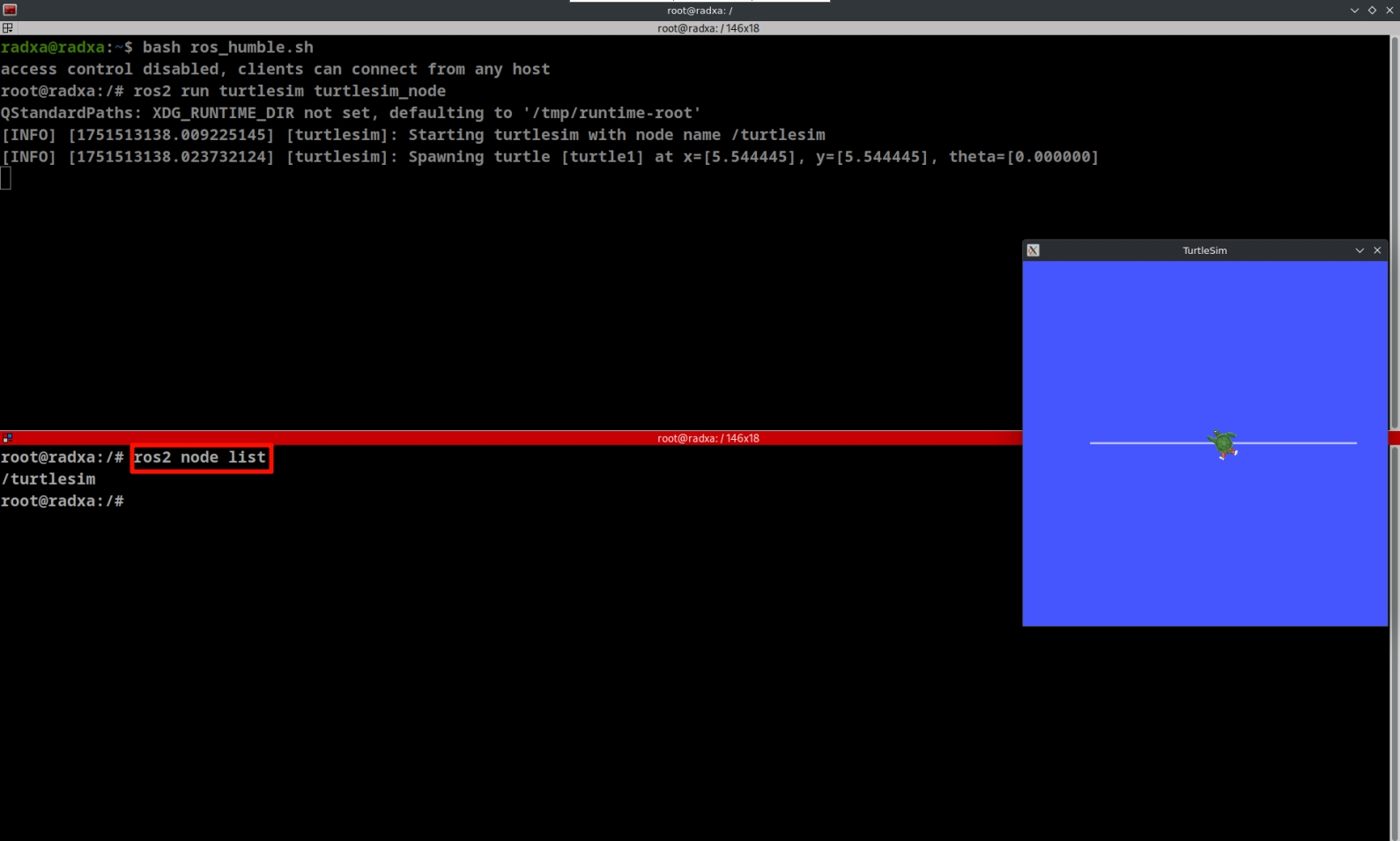
Use the ros2 node list command to view nodes: currently only the command to start Turtlesim is running.
ros2 node list
ROS2 Topics
Topics are the publish/subscribe communication mechanism in ROS2, enabling asynchronous data transfer between nodes.
Communication Roles:
- Publisher: Sends messages to specified topics
- Subscriber: Subscribes to topics and receives messages
View Topics
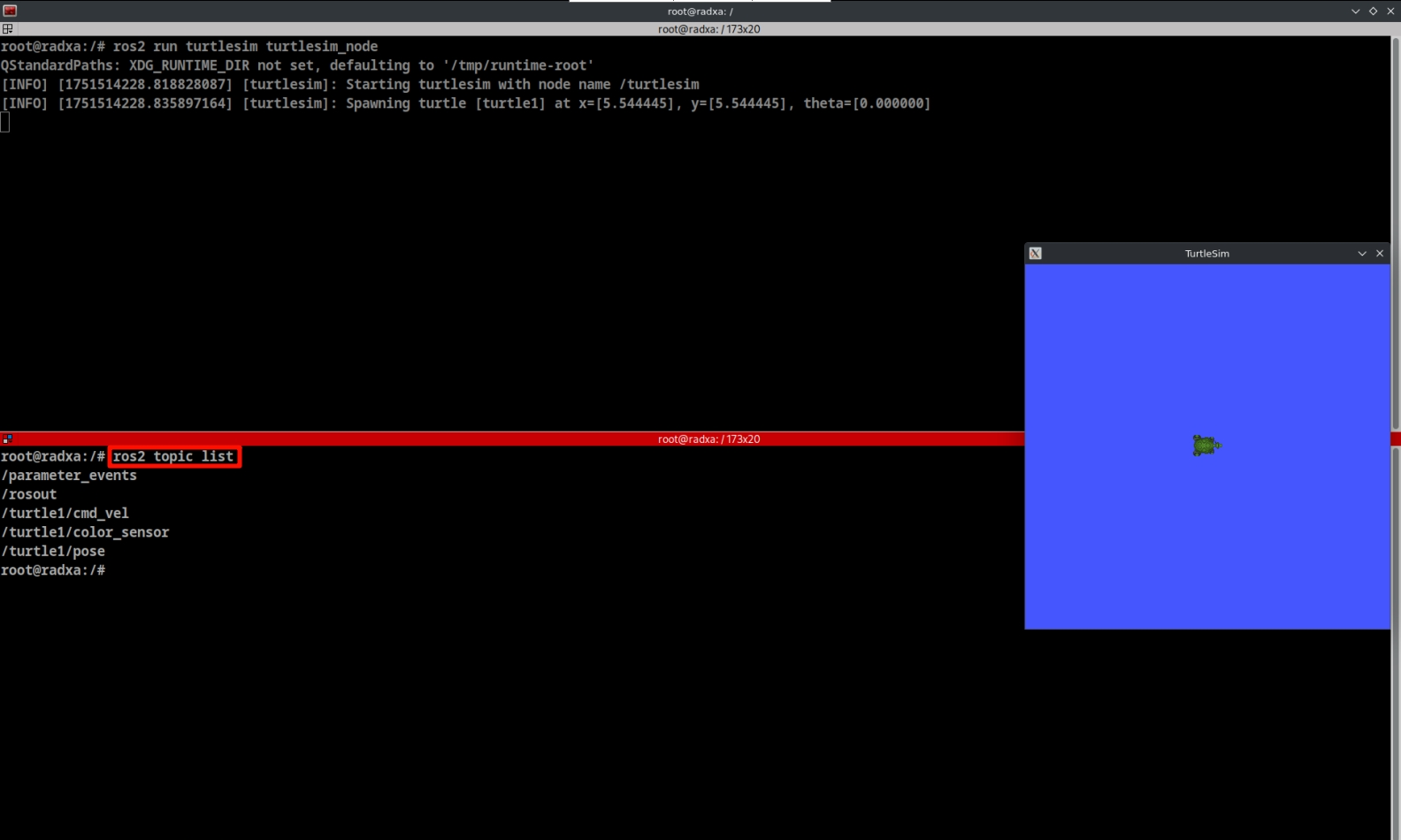
Use the ros2 topic list command to view topics:
ros2 topic list
Publish to Topics
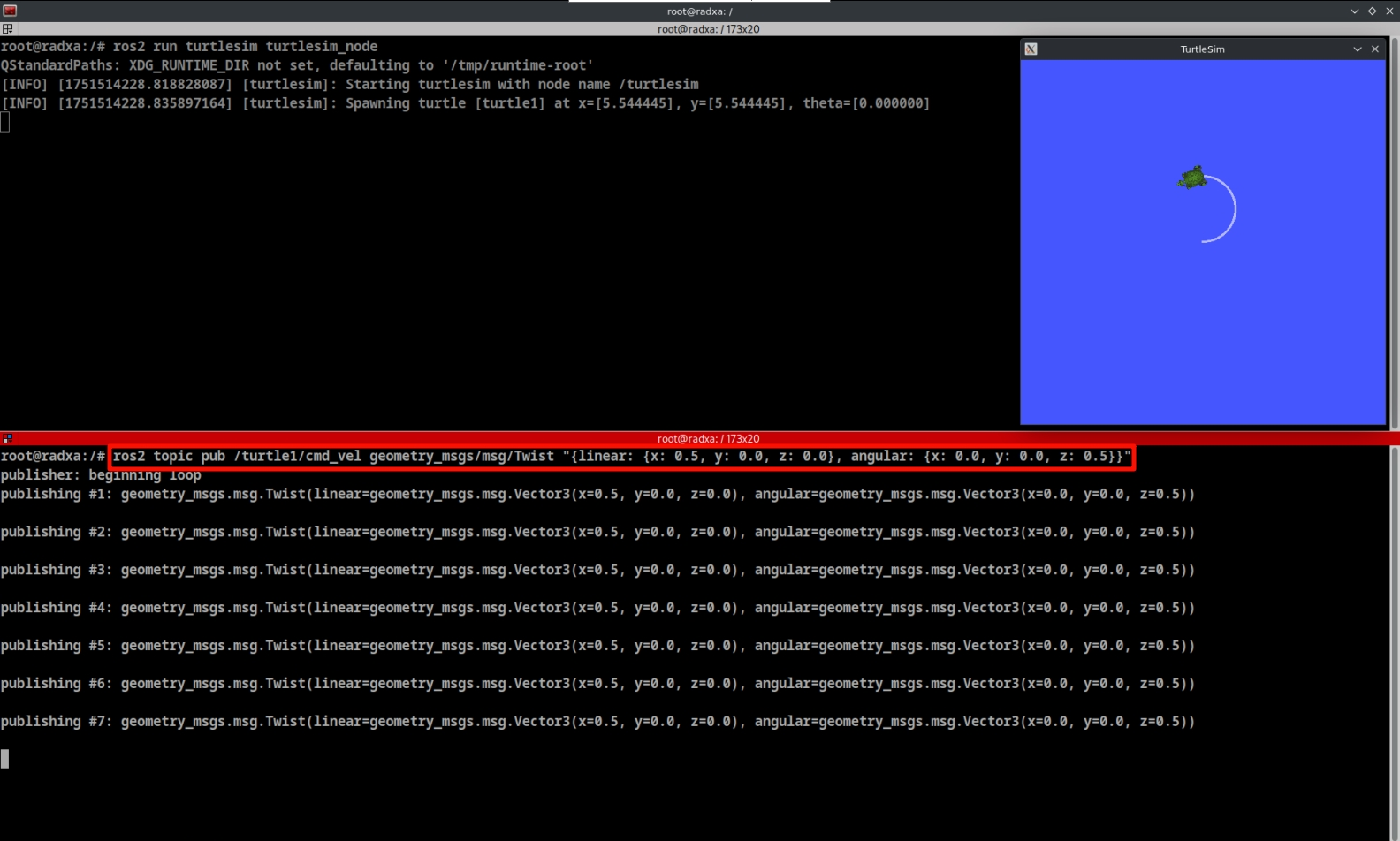
Use the ros2 topic pub command to publish velocity control messages to make the turtle move:
ros2 topic pub /turtle1/cmd_vel geometry_msgs/msg/Twist "{linear: {x: 0.5, y: 0.0, z: 0.0}, angular: {x: 0.0, y: 0.0, z: 0.5}}"
This command will make the turtle move with linear velocity 0.5 and angular velocity 0.5.
Subscribe to Topics
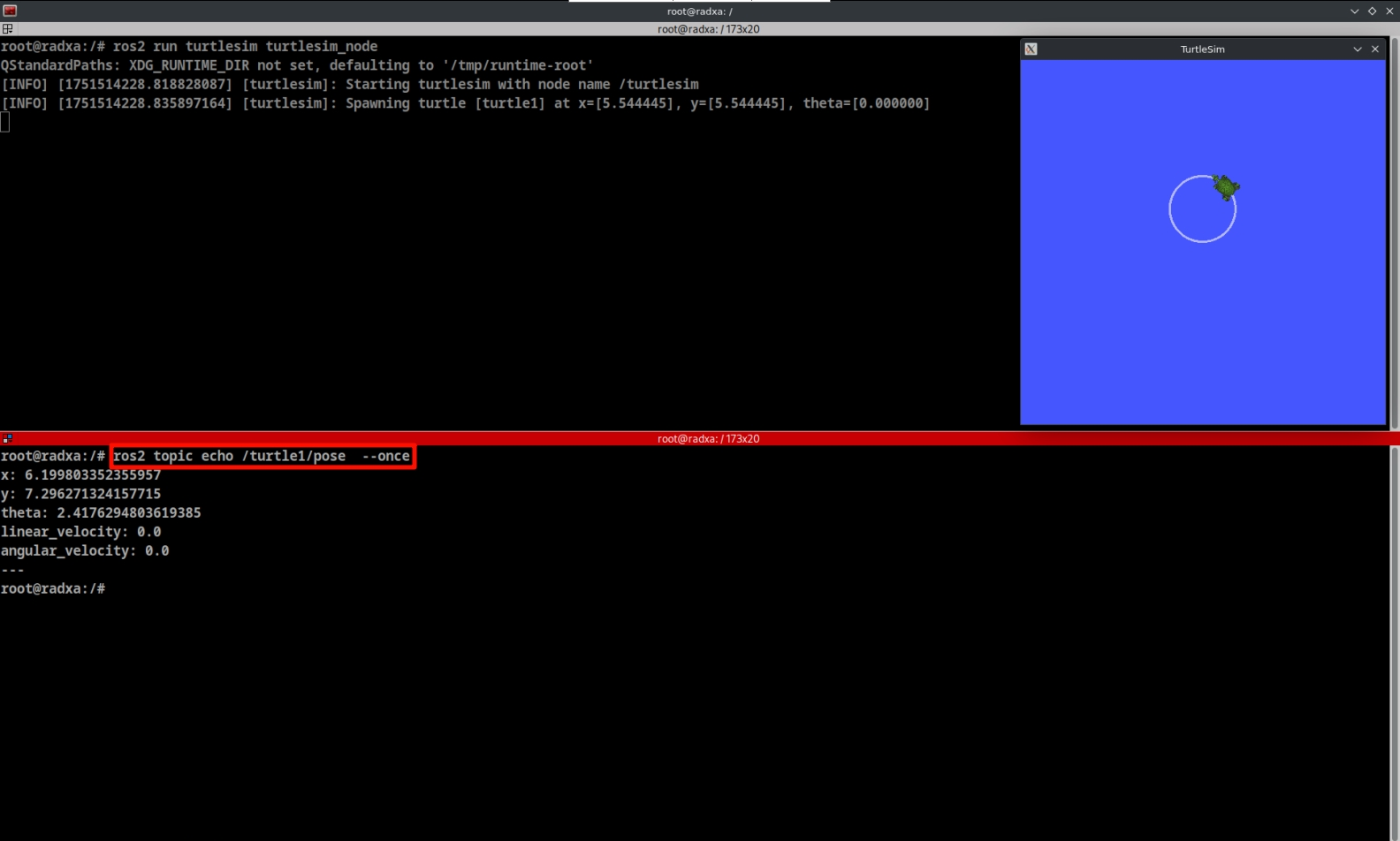
Use the ros2 topic echo command to subscribe to topics and view topic messages:
ros2 topic echo /turtle1/pose --once
This command will print the turtle's position once in the terminal. Removing --once will continuously print the turtle's position.
ROS2 Services
Services are the request/response communication mechanism in ROS2, used for synchronous calls between nodes (like remote function calls).
Interaction Flow:
- Client: Sends request
- Server: Processes the request and returns response
View Services
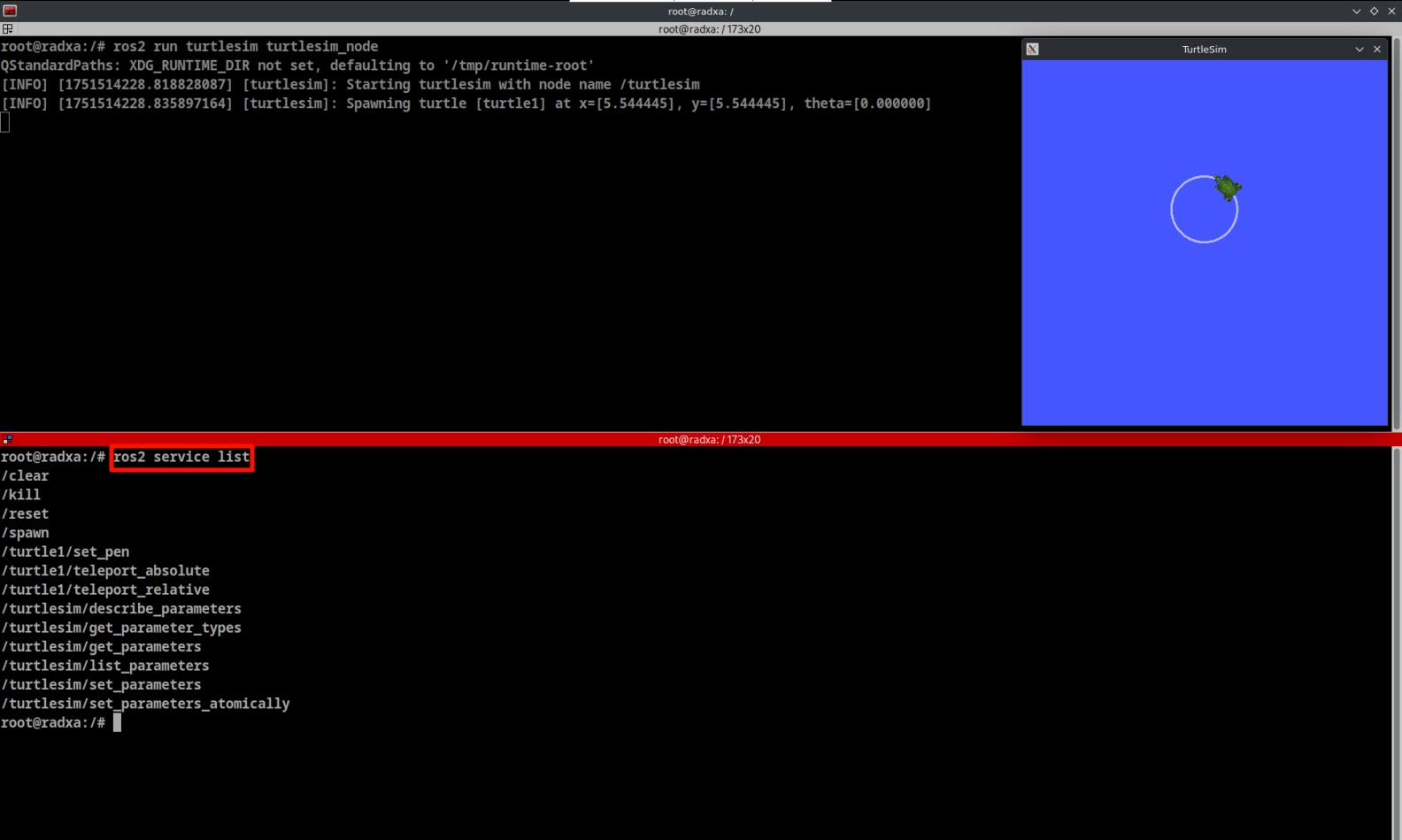
Use the ros2 service list command to view services:
ros2 service list
Call Services
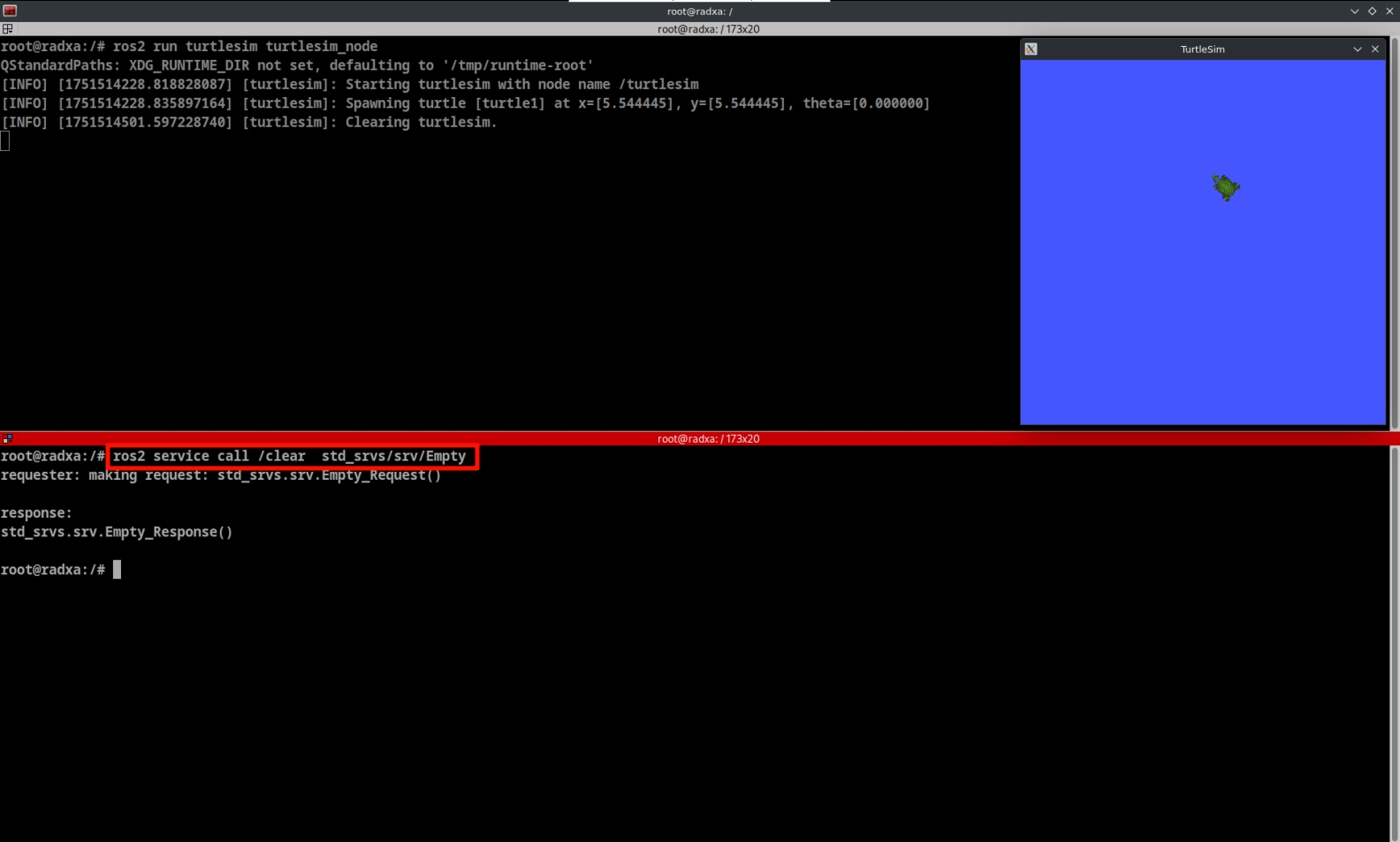
Use the ros2 service call command to call services to make the turtle clear the screen:
ros2 service call /clear std_srvs/srv/Empty
This command will clear the background in the Turtlesim window.
ROS2 Actions
Actions are the communication mechanism in ROS2 for handling long-running tasks (such as navigation, robotic arm control), supporting real-time feedback.
Three-Phase Interaction:
- Goal: Client initiates task request
- Feedback: Server continuously pushes progress
- Result: Final result returned after task completion
View Actions
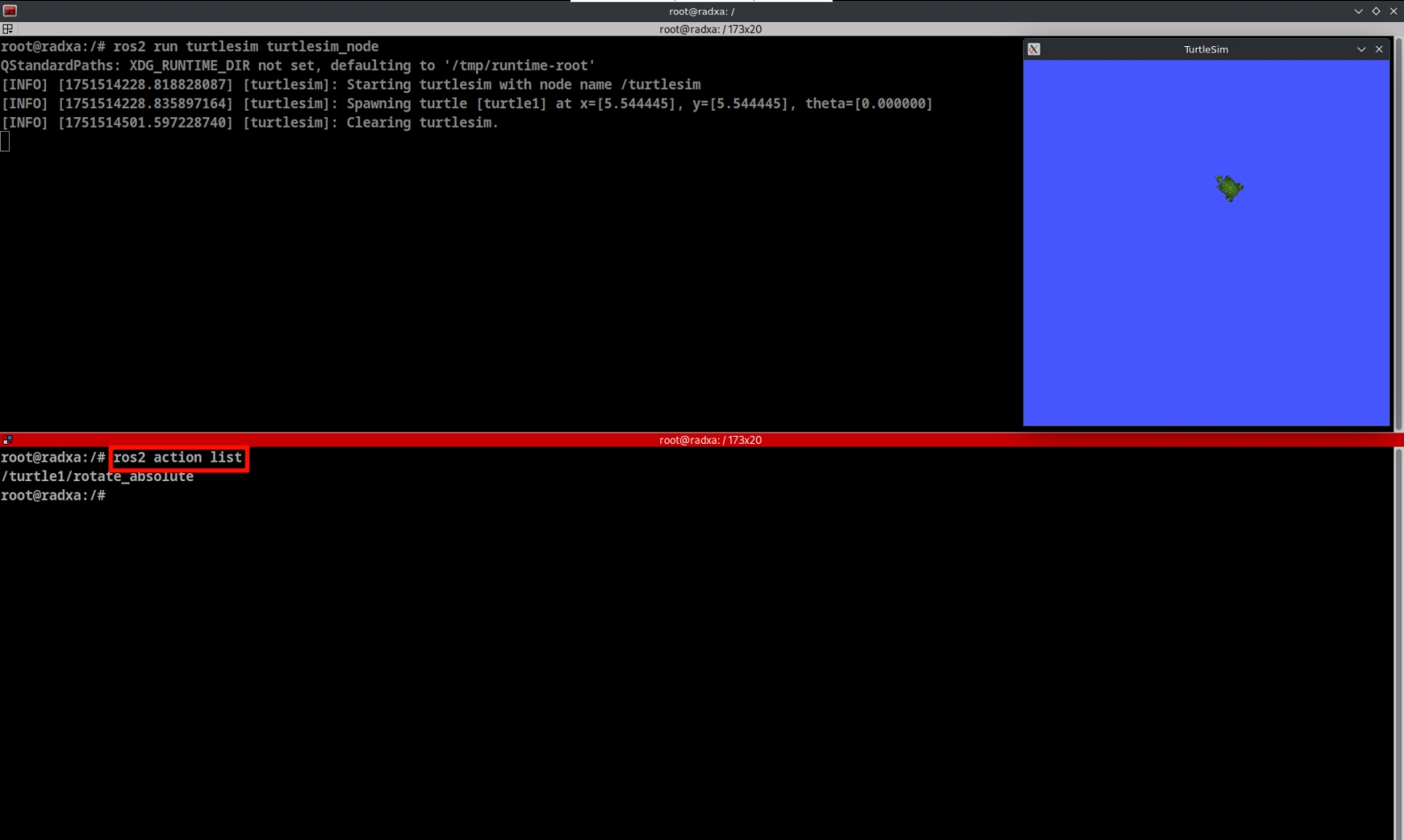
Use the ros2 action list command to view actions:
ros2 action list
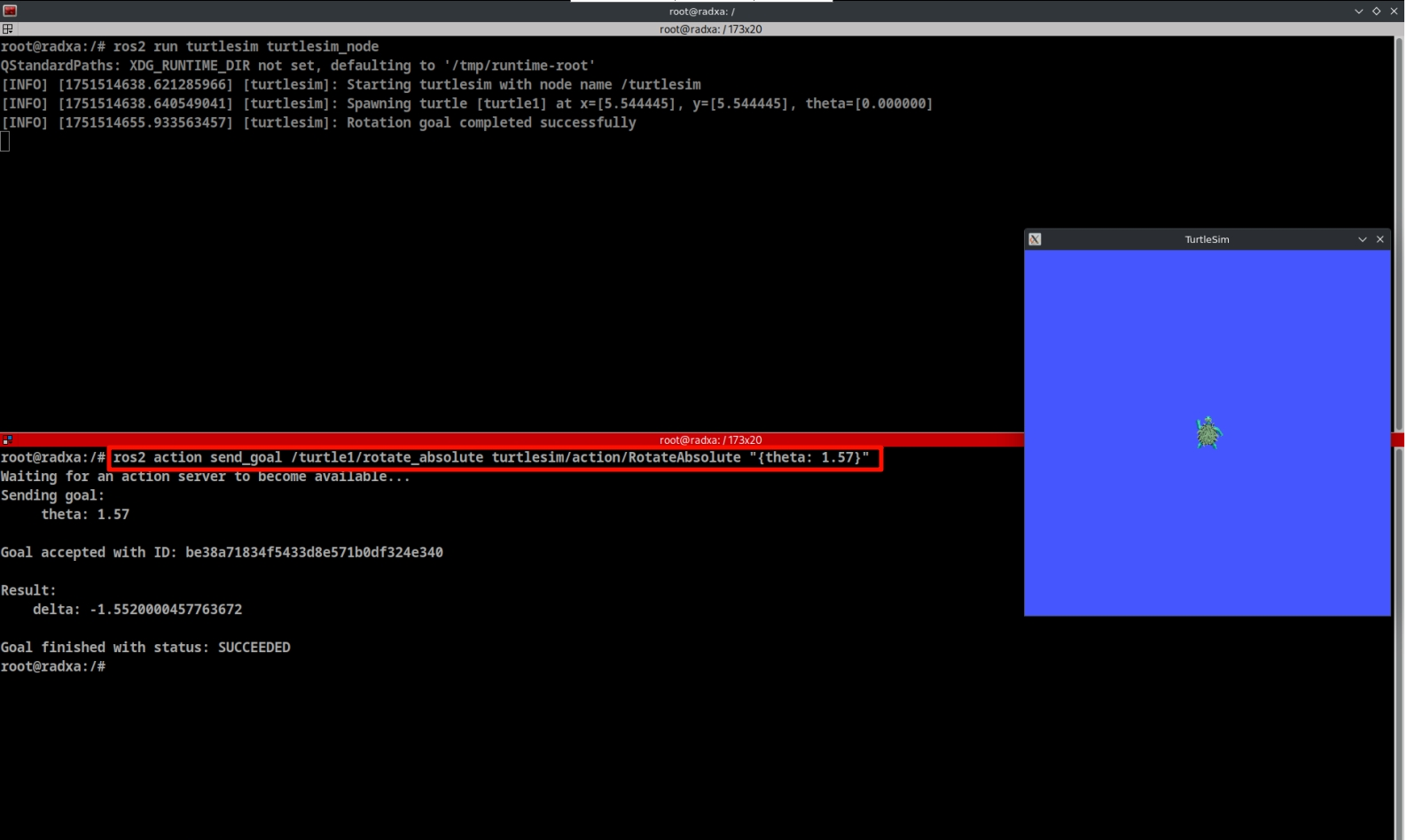
Send Action Goals
Use the ros2 action send_goal command to send action goals to make the turtle move to a specified position:
ros2 action send_goal /turtle1/rotate_absolute turtlesim/action/RotateAbsolute "{theta: 1.57}"
This command will make the turtle rotate 1.57 radians (approximately 90 degrees).